A toy that is right for one four year old can be far too easy for another, and far too fiddly for a third. The age on the box is a guide, not a rule, and it is worth watching the child as much as reading the label.
Start with what they can already do
Watch how your child plays for a few minutes. A child who lines toys up by colour is ready for sorting and matching games. A child who wants to knock everything down is testing cause and effect, and will love a stacking set that tumbles.
Pick a toy that is one small step beyond what they can already do. Too easy and it is forgotten by teatime, too hard and it is put down in frustration.
Think about the years ahead
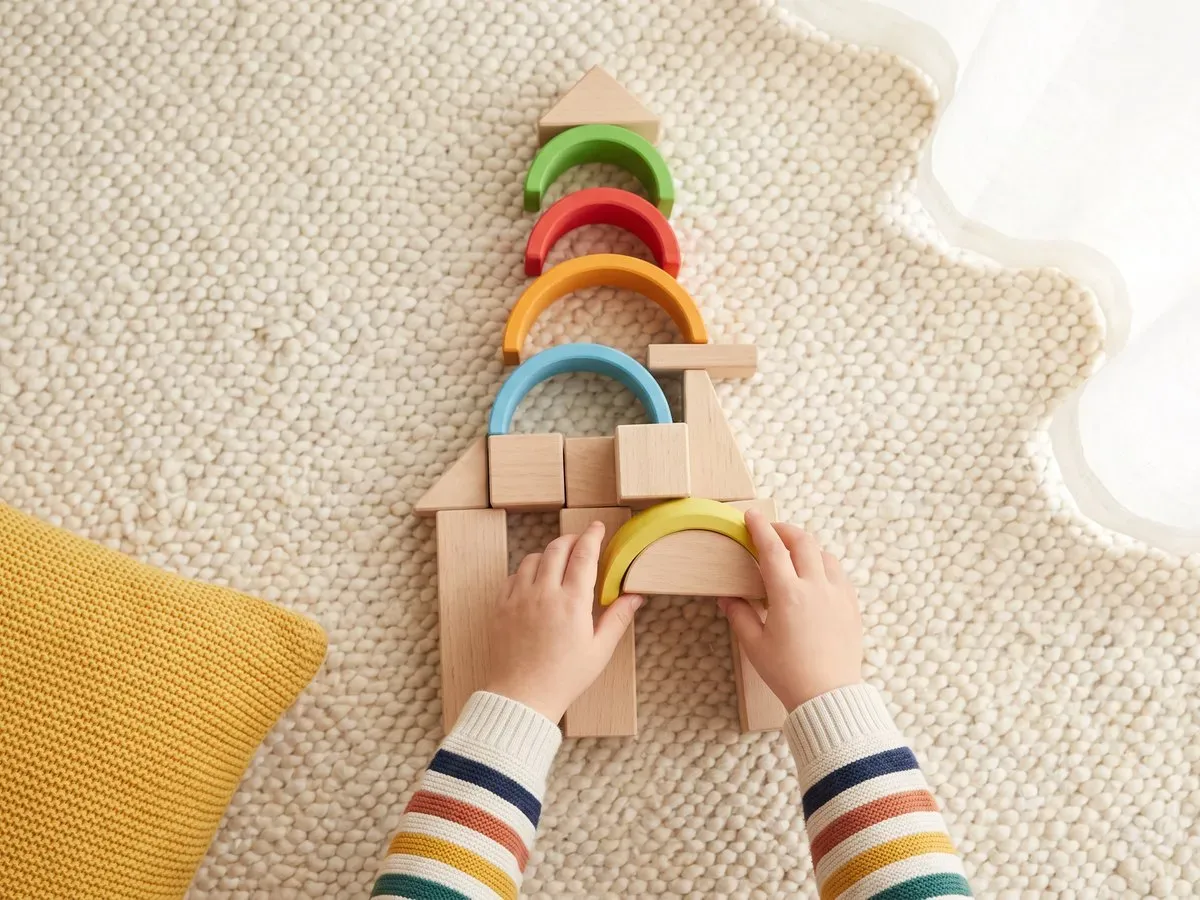
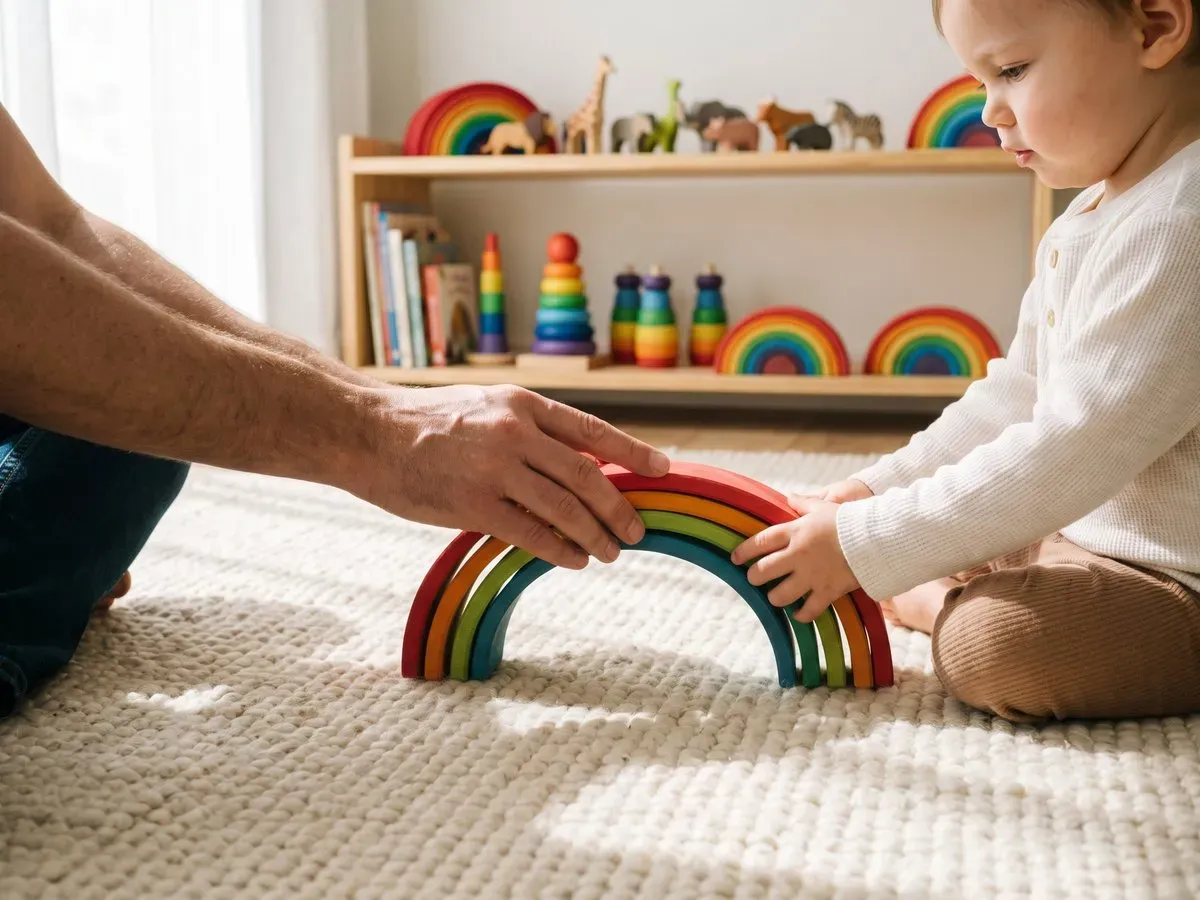
Wooden toys are worth the extra because they grow with a child. A set of arches is a chew toy, then a tower, then a bridge for a train, then a sculpture. Look for open-ended toys with no single right answer.
Buying fewer, better toys that last also means less clutter and less waste. That has been our rule at Pip since we opened on Kite Lane.
If you are buying for someone else's child, ask the parent what they are into this month. A five minute chat beats an hour of guessing.